
Why Do I Feel More Achy, Tired, and Out of Sync in Winter?

Updated: Jan 27
Winter often brings more than just colder weather. Many people notice tighter muscles, lower energy, restless sleep, and a general feeling of being stretched thin. This guide explains why winter affects both body and mind and shares simple ways — including massage and reflexology — to help you feel calmer, more comfortable, and better supported through the season.

Winter often makes us feel stiffer, more tired, and a bit “wired but tired.” Cold weather tightens muscles, shorter days mess with our body clock, and December life-stress cranks up the nervous system.
The good news: a few simple habits (plus massage or reflexology support if you want it) can make winter feel calmer and easier.
What Causes Winter Aches, Fatigue, and That “Stretched Thin” Feeling?
Cold, less daylight, and more pressure lead to tighter muscles, lower energy, and a more reactive nervous system. Here’s what’s going on, in real-life terms:
Cold Weather Makes You Tense Without Noticing. You brace, hunch your shoulders, tuck your chin, and move more rigidly — hello stiff neck, tight calves, hips, and lower back niggles.
Winter Routines Are More Demanding. December can be full-on: errands, social plans, school stuff, early starts, late nights, and a brain that won’t switch off.
Your Nervous System Gets Overstimulated. This often shows up as broken sleep, overthinking, snappy moods, or feeling “on the go” even when you’re exhausted.
Shorter, Darker Days Affect Mood and Sleep Rhythm. Less daylight can impact serotonin (mood/energy), and darker evenings can shift melatonin earlier, making you sleepy at the wrong times and wakeful later.
Bedroom Temperature Can Disrupt Sleep. We tend to sleep best in a cool room, but “cool” can turn into “too cold,” which makes it harder to relax and drift off.
Basically, winter isn’t just a vibe. It changes how your body holds tension, how your brain times sleep, and how resilient you feel day to day.
How Do Massage and Reflexology Help with Winter Wellbeing?

Massage and reflexology help your body soften out of tension and guide your nervous system out of stress mode and into rest-and-repair mode. In winter, many people feel “compressed” — tight muscles, foggy head, restless sleep. Massage supports circulation, eases muscle tension, and gives your system a proper downshift. Reflexology is brilliant when stress, sleep disruption, or overstimulation are the main drivers.
What to Expect in a Session
Massage Therapy: Focused work on the areas that usually grumble in winter (neck/shoulders, back, hips, calves), with a pace that’s calming rather than intense.
Hot Stone Massage / Hot Stone Reflexology: Deep warmth helps muscles soften faster, so you get that “finally exhale” feeling without forcing anything.
Reflexology: A steady, grounding treatment that many find helps them feel more settled and sleep more deeply.
Facial Reflexology or Acupressure Facial Massage: Especially good if winter stress shows up as headaches, jaw tension, or feeling mentally overloaded.
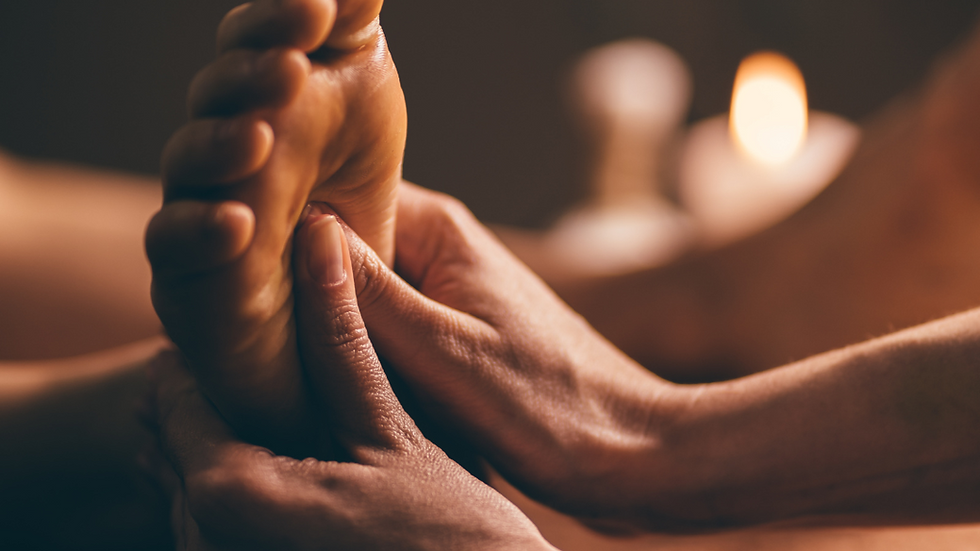
Most people walk out feeling looser in the body and quieter in the mind — not because winter magically stops, but because your nervous system stops shouting for a bit.
How Long Does It Take to Feel Better?
Some people feel a shift after one treatment, but the most reliable results usually come from regular support over a few weeks.
It May Depend On:
How Long You’ve Felt This Way: A few days of tightness is different from months of “I’m fine” when your body says otherwise.
Your Stress Load: If life is busy and sleep is broken, the nervous system can take longer to settle.
How Your Body Holds Tension: Some people carry everything in their shoulders; others in hips, jaw, or lower back.
Consistency: One session can help you feel lighter, but a short run of sessions often holds the benefits longer.
A Realistic Winter Plan (Nice and Simple)
For a Reset: One session (great if you just want to breathe again).
For Ongoing Winter Tension/Sleep Issues: Three to four sessions spaced weekly or fortnightly.
For Maintenance Through Winter: A monthly treatment to keep things steady.
Think of it like keeping the boiler ticking over in cold weather — small, regular support is better than waiting until you’re fully broken!
What Can I Do at Home?
Keep warm in the right places, get daylight daily, soften your evenings, and choose tiny routines you’ll actually stick to.
Practical, Specific Things That Help
Warm the “Key Zones”: Neck, feet, and lower back (scarf, warm socks, layers).
Do a 2–3 Minute Stretch After Being Out in the Cold: Especially calves, hips, chest, and shoulders. Keep it gentle.
Get Outside for 10 Minutes of Daylight: Even if it’s grey. It still helps your body clock.
Keep the Room Cool, But the Bed Warm: Layers you can adjust, hot water bottle to pre-warm then remove before sleep.
Soften Your Evenings: Lower lighting, fewer screens late on, calmer pacing.
Eye Pillow Wind-Down: Blocks light, settles the senses, and helps your brain get the “sleep now” message.
Slow Breathing Before Bed: Even two minutes helps signal safety to the nervous system.
Move Gently: Winter doesn’t mean zero movement — a walk, mobility, or light strength keeps you looser.
If you have persistent pain, numbness/tingling, severe headaches, dizziness, or symptoms that are new or worrying, get medical advice. And with stretching: no bouncing, no forcing — warmth and consistency win.
Quick Fire Q&A!
Is It Normal to Feel More Tired in Winter?
Yes. Shorter days and reduced daylight can shift your sleep-wake rhythm and impact mood and energy. Add cold weather (more muscle tension) and December stress, and it’s common to feel heavier, flatter, or more fatigued than usual. You’re not lazy — your body’s adapting.
Why Do I Feel “Wired But Tired” at Night?
That’s often an overstimulated nervous system: you’re exhausted, but your brain is still running on stress chemistry. Busy winter routines, constant to-do lists, and disrupted sleep can keep you stuck in alert mode. Calming habits and hands-on treatments can help you downshift.
Does an Eye Pillow Actually Help with Sleep?
For lots of people, yes. Blocking light helps support melatonin, and the gentle pressure can feel grounding. It also gives your mind something simple to focus on, which can reduce overthinking at bedtime. Pair it with slow breathing and softer lighting for best results.
What’s Better in Winter: Massage or Reflexology?
It depends on what's driving your symptoms. If you’re mainly tight and achy, massage (especially hot stone) can be amazing. If sleep, stress, hormones, or feeling overstimulated is the main issue, reflexology is often a steady support. Some people alternate both.
How Do I Keep Benefits Going Between Treatments?
Keep it old-school simple: warmth, gentle movement, daylight, and a consistent wind-down routine. Little and often beats occasional big efforts. If you’re prone to tension, don’t wait until you’re fully seized up — book before it hits crisis mode and you’ll feel the difference.
If you’re feeling tense, tired, overwhelmed, or your sleep’s gone a bit weird lately, book a winter wellbeing treatment and give your body a proper reset.

Ali Iles is a Reflexology & Massage Therapist based in Downend, Bristol, UK.
Providing you with time for relaxation - relieving tension and helping to improve your sense of well-being and health.
A full member of ‘The Association of Reflexologists’ (AoR) and ‘Federation of Holistic Therapists’ (FHT).


Comments